The Best Fluffy Pancakes recipe you will fall in love with. Full of tips and tricks to help you make the best pancakes.

If you’re looking for a dessert that perfectly balances creamy richness, fruity brightness, and a playful chewy texture, Mango Sago Pudding is about to become your new favorite treat. This tropical dessert is beloved across Asia, especially in Hong Kong-style dessert shops, and it’s gaining popularity worldwide for its refreshing flavor and simple preparation.
Made with ripe mangoes, coconut milk, and soft sago pearls, this pudding is a no-bake delight that’s perfect for warm days, dinner parties, or whenever you need something light yet satisfying. The vibrant golden color alone is enough to brighten your table, while each spoonful delivers a luxurious blend of sweetness and creaminess.
In this comprehensive guide, you’ll learn everything you need to know to make the perfect Mango Sago Pudding at home—from selecting the best mangoes to mastering the texture of sago pearls.
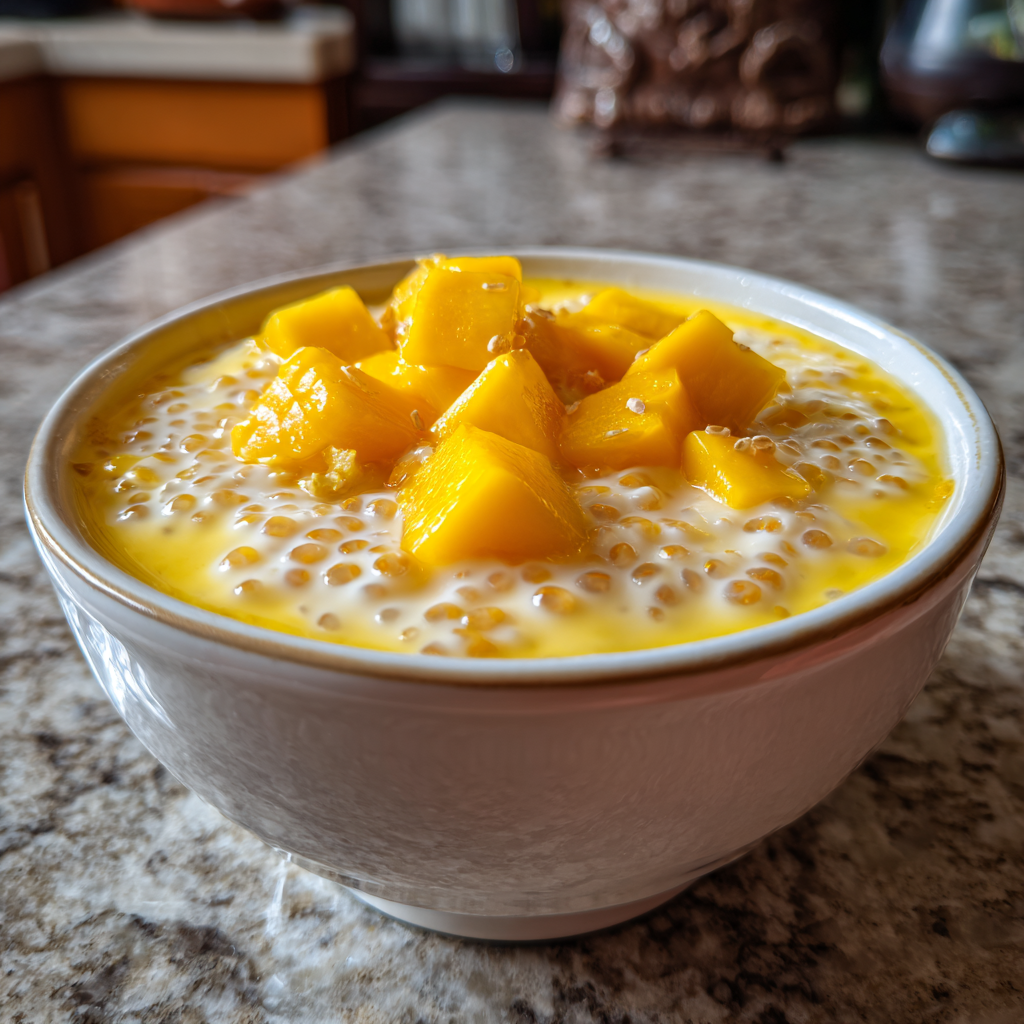
What Is Mango Sago Pudding?
Mango Sago Pudding is a chilled dessert that combines pureed mango, creamy coconut milk, and small tapioca pearls known as sago. The result is a silky, pudding-like consistency with bursts of chewy texture from the pearls.
Unlike traditional baked puddings, this dessert is entirely no-bake, making it quick and easy to prepare. It’s often served cold, which enhances its refreshing tropical flavor.
Why You’ll Love This Recipe
There are countless reasons why this Mango Sago Pudding recipe stands out:
- No baking required – Perfect for beginners or hot weather
- Naturally tropical flavor – Mango and coconut are a classic pairing
- Customizable sweetness – Adjust sugar based on mango ripeness
- Fun texture – Sago pearls add a unique chewiness
- Elegant yet simple – Looks impressive with minimal effort
Ingredients
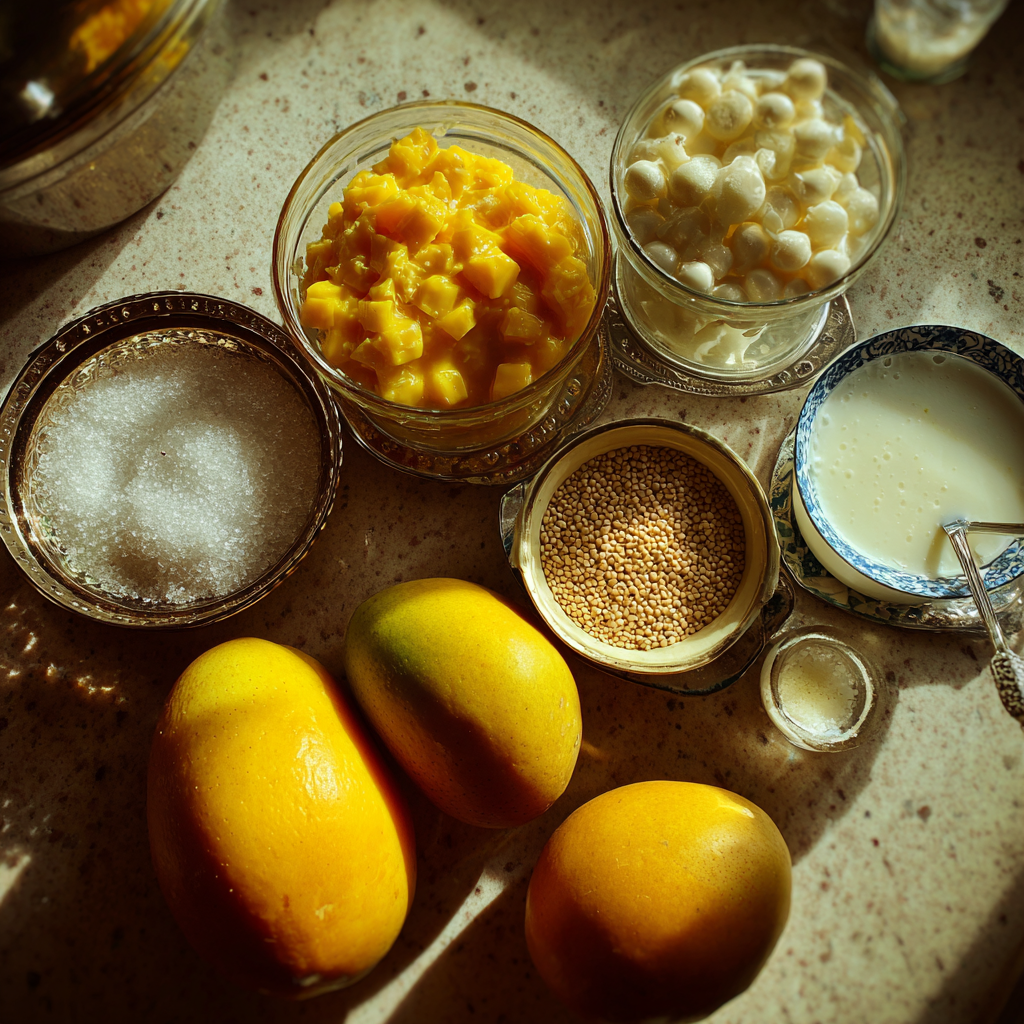
- 2 large ripe mangoes (plus extra for garnish)
- 1/2 cup small sago pearls
- 1 cup coconut milk
- 1/2 cup evaporated milk
- 1/3 cup sugar (adjust to taste)
- 1 cup water (for blending, optional)
- Ice cubes or cold water (for cooling sago)
Instructions
- Cook the Sago Pearls
Bring a pot of water to a rolling boil. Add the sago pearls and cook for about 10–15 minutes, stirring occasionally to prevent sticking. The pearls should become mostly translucent with a tiny white center. - Let Sago Rest
Turn off the heat, cover the pot, and let the sago sit for another 10 minutes until fully translucent. - Rinse and Cool
Drain the sago and rinse under cold water to remove excess starch. Set aside. - Prepare the Mango Base
Peel and dice the mangoes. Blend most of the mango flesh into a smooth puree, reserving some cubes for garnish. - Mix the Creamy Base
In a bowl, combine mango puree, coconut milk, evaporated milk, and sugar. Stir until smooth and well blended. - Combine with Sago
Add the cooked sago pearls to the mango mixture. Stir gently to distribute evenly. - Adjust Consistency
If the pudding is too thick, add a bit of water or more coconut milk until you reach your desired texture. - Chill the Dessert
Refrigerate for at least 2 hours until fully chilled and slightly thickened. - Serve and Garnish
Spoon into serving bowls and top with fresh mango cubes. Serve cold.
Tips for Perfect Mango Sago Pudding
Choose the Right Mangoes
The flavor of this dessert depends heavily on your mangoes. Opt for ripe, sweet varieties like Ataulfo or Alphonso for the best results. Avoid fibrous mangoes, as they can affect the smoothness of the pudding.
Cook Sago Properly
Undercooked sago will have a hard center, while overcooked sago can become mushy. Aim for translucent pearls with a slight chew.
Balance the Sweetness
Taste your mango puree before adding sugar. If your mangoes are very sweet, you may need less sugar.
Chill Thoroughly
This dessert tastes best when properly chilled. The flavors meld together, and the texture becomes more pudding-like.
Variations to Try
1. Mango Pomelo Sago
Add fresh pomelo pulp for a citrusy twist that cuts through the creaminess.
2. Dairy-Free Version
Skip the evaporated milk and use more coconut milk for a fully dairy-free dessert.
3. Vegan Option
Replace evaporated milk with almond milk or oat milk for a plant-based version.
4. Layered Dessert Cups
Layer mango puree, sago mixture, and fruit chunks in glasses for a visually stunning presentation.
5. Frozen Mango Sago Treat
Turn this into a semi-frozen dessert by placing it in the freezer for about an hour before serving.
Serving Suggestions
Mango Sago Pudding is incredibly versatile when it comes to serving:
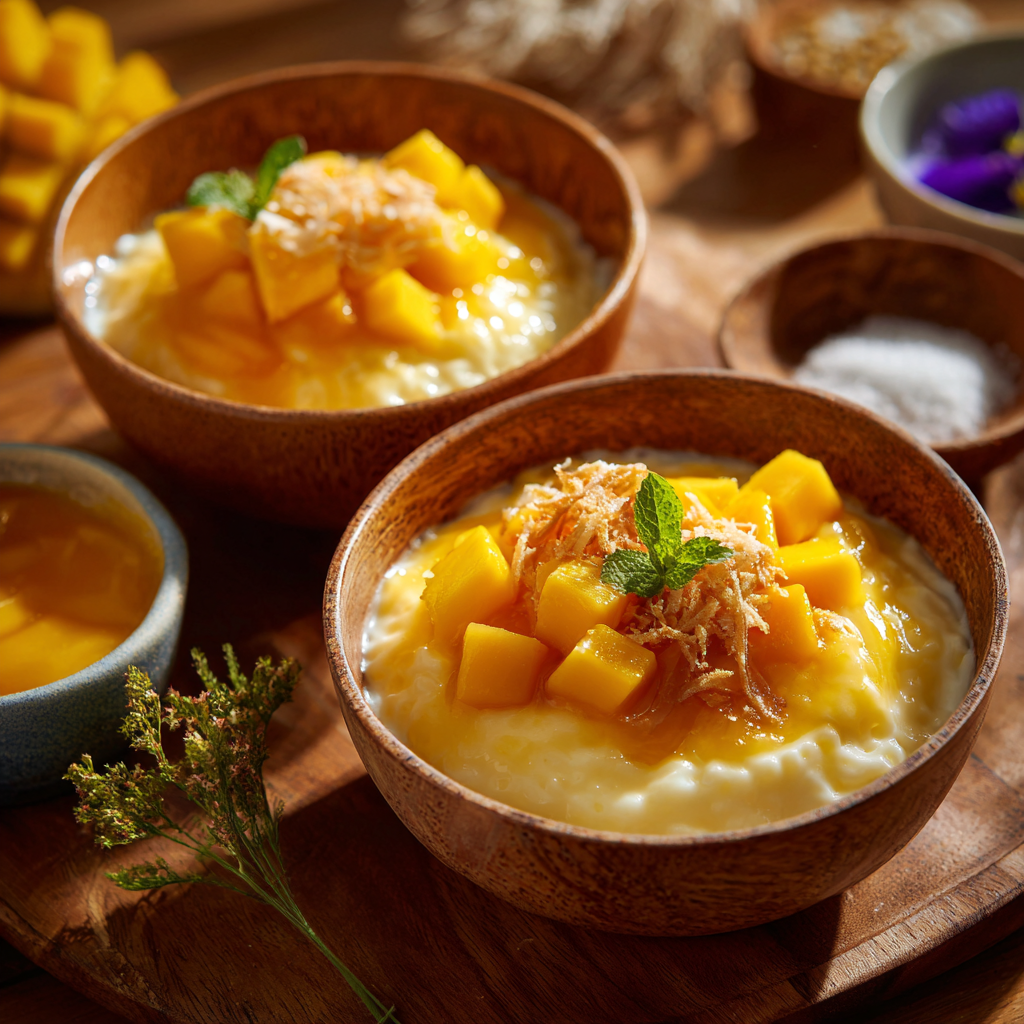
- Serve in chilled glass bowls for an elegant presentation
- Top with mint leaves for a fresh touch
- Add a drizzle of coconut cream for extra richness
- Pair with tropical fruits like pineapple or kiwi
This dessert works beautifully as a light finish to a heavy meal or as a refreshing midday treat.
Cultural Background and Fun Facts
Mango Sago desserts originated in Hong Kong and quickly spread across Asia due to their irresistible combination of flavors and textures. They are commonly found in dessert cafés and are especially popular during summer months.
The use of sago pearls dates back centuries, as they are derived from tropical palm starch. Their unique chewy texture has made them a staple in many Asian desserts and drinks.
Storage and Make-Ahead Tips
- Refrigeration: Store in an airtight container for up to 2 days
- Stir Before Serving: Sago may settle, so give it a quick stir
- Avoid Freezing Long-Term: Freezing can alter the texture of the sago
Common Mistakes to Avoid
- Using unripe mangoes – results in a sour, less flavorful pudding
- Skipping the rinse step for sago – can make the dessert overly sticky
- Overcooking the sago – leads to mushy texture
- Adding too much liquid – makes the pudding watery
Why This Dessert Is Perfect for Any Occasion
Whether you’re hosting a dinner party, celebrating a special occasion, or just craving something sweet, Mango Sago Pudding fits the bill. It’s easy to prepare, visually appealing, and universally loved.
Its tropical flavor makes it especially ideal for warm climates, but honestly, it’s delicious year-round.
Final Thoughts
Mango Sago Pudding is proof that simple ingredients can create something truly extraordinary. With its creamy coconut base, vibrant mango flavor, and delightful sago texture, this dessert is both comforting and refreshing at the same time.
Once you try it, you’ll understand why it’s become a global favorite—and you might just find yourself making it again and again.
Mango Sago Pudding
A creamy tropical dessert made with ripe mangoes, coconut milk, and chewy sago pearls, served chilled for a refreshing treat.
Ingredients
Equipment
Method
- Bring water to a boil and cook sago pearls until mostly translucent, about 10–15 minutes.
- Turn off heat, cover, and let sit for 10 minutes until fully cooked.
- Rinse sago under cold water and set aside.
- Blend mangoes into a smooth puree.
- Mix mango puree with coconut milk, evaporated milk, and sugar.
- Stir in cooked sago pearls and mix well.
- Chill in refrigerator for at least 2 hours before serving.
Notes
Use very ripe mangoes for best flavor. Adjust sweetness based on fruit ripeness.