The Best Fluffy Pancakes recipe you will fall in love with. Full of tips and tricks to help you make the best pancakes.
Introduction
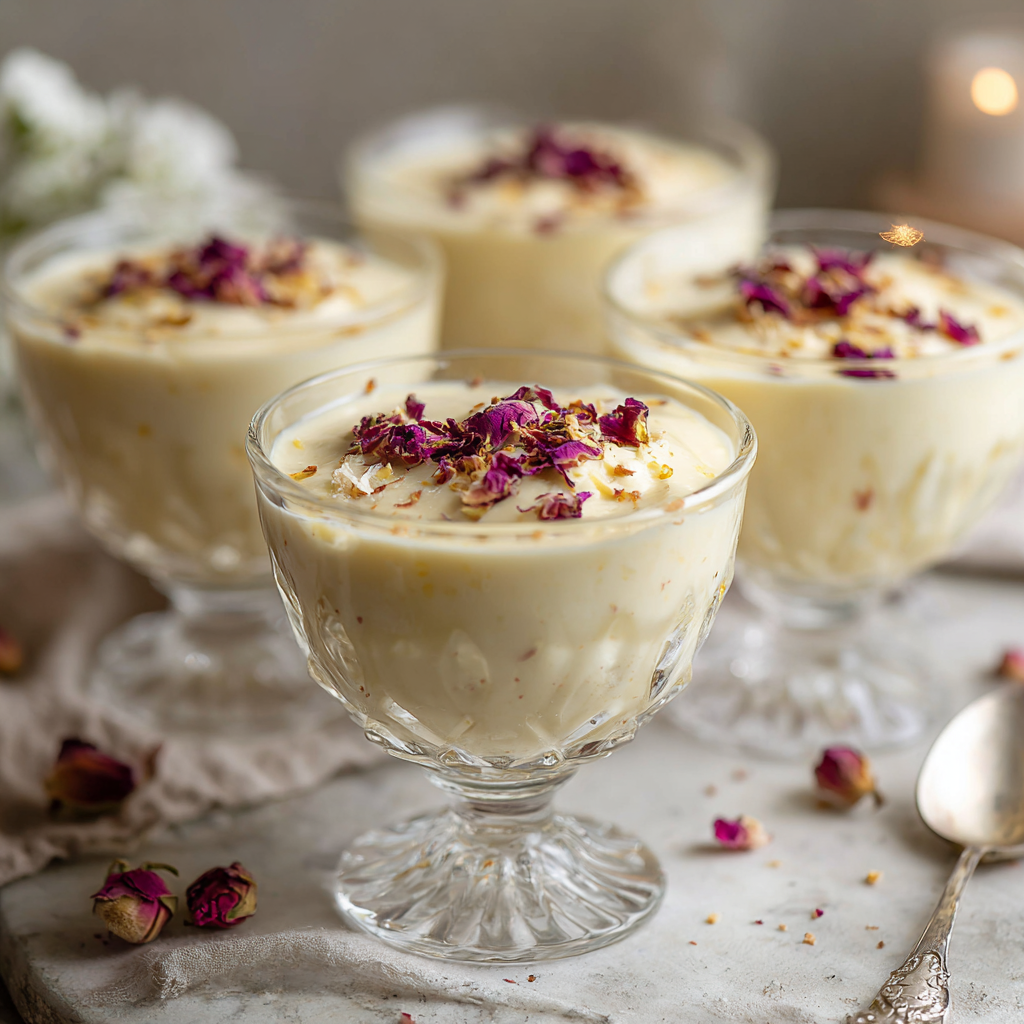
Some desserts don’t need layers of frosting, towering decorations, or elaborate techniques to feel luxurious. Sometimes, all it takes is a spoon gliding through a perfectly silky custard infused with delicate floral notes and warm vanilla fragrance. That’s exactly what makes these Rosewater Vanilla Custard Cups so special.
Inspired by classic custard traditions found across Europe, the Middle East, and North Africa, this dessert combines the comforting richness of vanilla custard with the subtle perfume of rosewater. The result is sophisticated yet approachable, making it perfect for everything from family dinners to holiday celebrations.
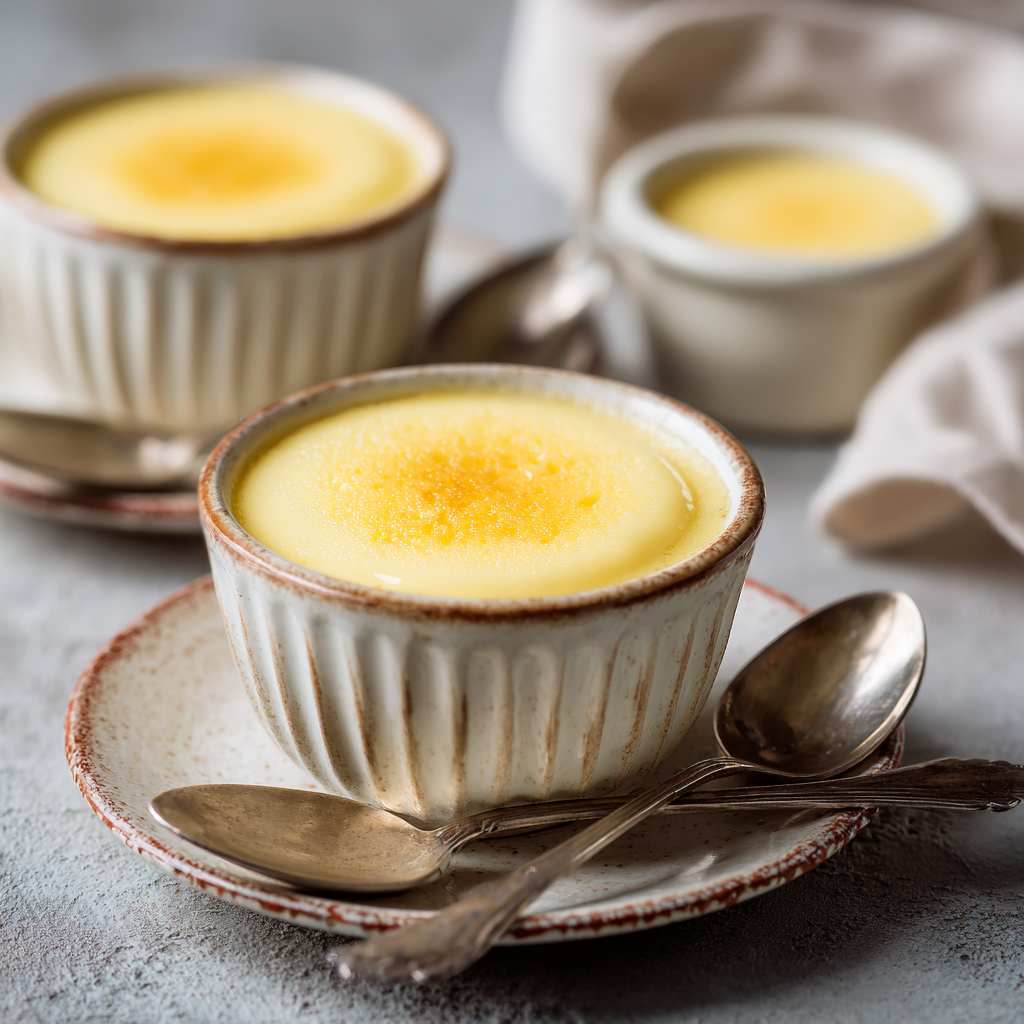
The first spoonful delivers a velvety texture that practically melts on your tongue. The vanilla creates a familiar warmth, while the rosewater adds a gentle floral finish that lingers pleasantly without overwhelming the palate. Garnished with dried rose petals, these custard cups look just as beautiful as they taste.
Whether you’re preparing a romantic dessert, entertaining guests, or simply treating yourself to something elegant, this rosewater custard recipe offers a memorable experience with surprisingly simple ingredients.
Why You’ll Love This Recipe
- Incredibly smooth and creamy texture
- Delicate floral aroma from rosewater
- Elegant enough for special occasions
- Simple ingredients found in most kitchens
- Make-ahead friendly dessert
- Naturally portion-controlled servings
- Easy for beginner cooks to master
- Beautiful presentation with minimal effort
- Versatile recipe that welcomes creative variations
- Perfect balance between classic vanilla and floral notes
Ingredients
For the Custard
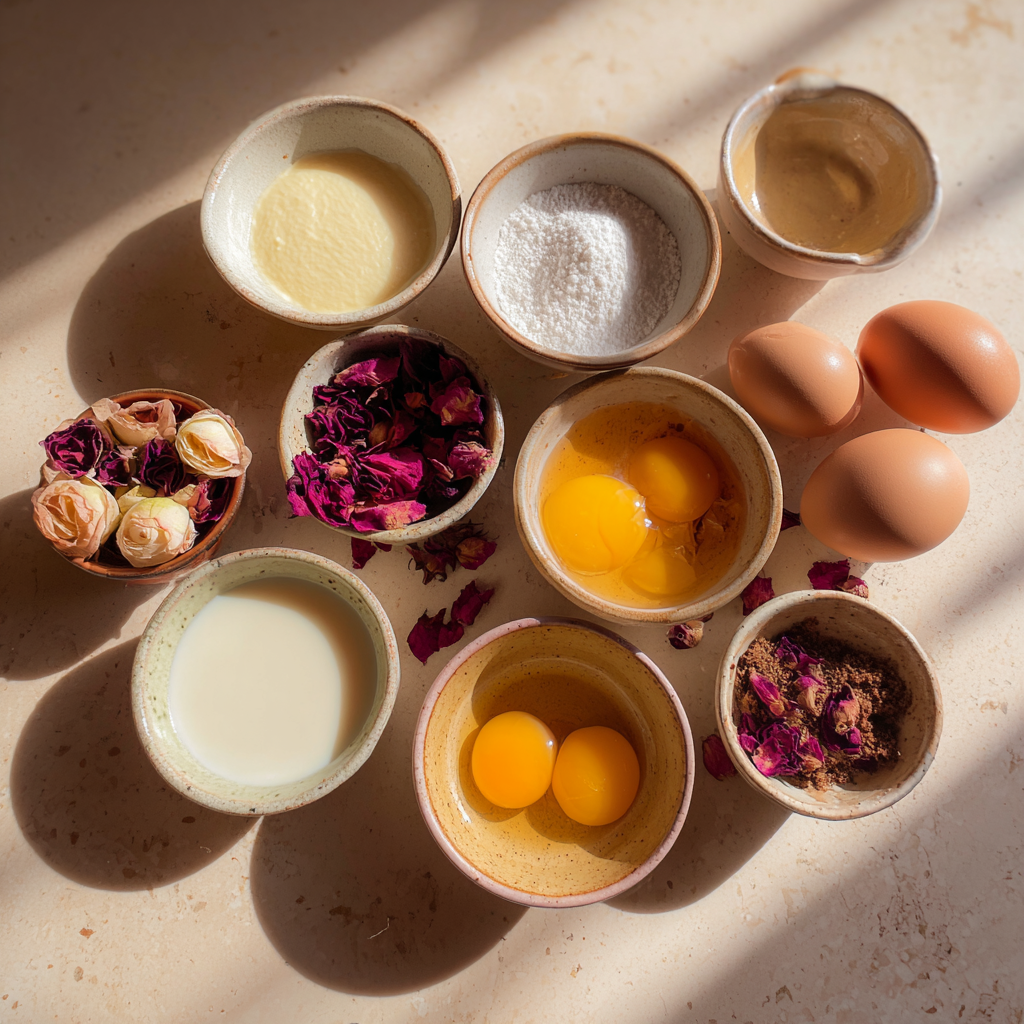
- 2 cups whole milk
- 1 cup heavy cream
- 5 large egg yolks
- ½ cup granulated sugar
- 1 tablespoon rosewater
- 1 tablespoon pure vanilla extract
- Seeds from 1 vanilla bean (optional for extra flavor)
- Pinch of fine sea salt
For Garnish
- Dried edible rose petals
- Fresh berries (optional)
- Crushed pistachios (optional)
- Light dusting of powdered sugar
Instructions
Step 1: Prepare the Dairy Base
Pour the milk and heavy cream into a medium saucepan. Add the vanilla bean seeds if using. Warm the mixture over medium-low heat until steam begins to rise from the surface. Do not allow it to boil.
Step 2: Whisk the Egg Mixture
In a separate mixing bowl, whisk together the egg yolks, sugar, and salt until the mixture becomes pale and slightly thickened.
Step 3: Temper the Eggs
Slowly pour a small amount of the warm milk mixture into the egg mixture while whisking constantly. Continue adding the warm liquid gradually.
This process prevents the eggs from scrambling and ensures a silky custard texture.
Step 4: Combine Everything
Pour the tempered egg mixture back into the saucepan. Cook over low heat while stirring continuously with a wooden spoon or silicone spatula.
Step 5: Cook Until Thickened
Continue stirring until the custard coats the back of a spoon. If you draw a finger through the coating, it should leave a clear line.
Avoid overheating, as excessive heat can cause curdling.
Step 6: Add Flavorings
Remove the saucepan from the heat. Stir in the rosewater and vanilla extract.
The fragrance will immediately bloom, creating an irresistible floral aroma.
Step 7: Strain for Smoothness
Pour the custard through a fine mesh sieve into a clean bowl. This removes any tiny lumps and guarantees an ultra-smooth finish.
Step 8: Portion the Custard
Divide the custard among six serving cups or ramekins.
Step 9: Chill
Cover each cup with plastic wrap, ensuring the wrap touches the surface to prevent a skin from forming.
Refrigerate for at least 4 hours or overnight.
Step 10: Garnish and Serve
Before serving, garnish with dried rose petals, crushed pistachios, or fresh berries.
Serve chilled and enjoy every silky spoonful.
Pro Tips
Use High-Quality Rosewater
Rosewater varies significantly between brands. Choose culinary-grade rosewater and start with the recommended amount. Too much can overpower the dessert.
Don’t Rush the Cooking Process
Low and slow cooking creates the smoothest custard texture. High heat often leads to graininess.
Strain Every Time
Even experienced pastry chefs strain custard. This simple step dramatically improves texture.
Chill Overnight
The flavors deepen and become more harmonious after an overnight rest.
Use Real Vanilla
Pure vanilla extract or vanilla bean creates a richer flavor profile than imitation vanilla.
Variations
Rose Pistachio Custard Cups
Add finely ground pistachios to the custard base and garnish generously with chopped pistachios for a Middle Eastern-inspired twist.
Honey Rose Custard
Replace part of the sugar with floral honey for extra complexity and sweetness.
Orange Blossom Custard
Substitute half the rosewater with orange blossom water for a fragrant citrus-floral combination.
Saffron Rose Custard
Infuse the warm milk with a pinch of saffron threads before preparing the custard for an elegant golden color and unique flavor.
Berry Rose Custard
Layer fresh raspberries or strawberries beneath the custard before chilling.
Serving Suggestions
These elegant custard cups pair beautifully with:
- Fresh strawberries
- Raspberries
- Blackberries
- Pistachio cookies
- Almond biscotti
- Shortbread cookies
- Mint tea
- Moroccan-style tea
- Light sparkling beverages
For dinner parties, serve the custard in clear glass cups to showcase its silky texture and beautiful garnishes.
For weddings, bridal showers, or holiday gatherings, prepare mini versions in small tasting glasses.
Storage & Reheating
Refrigeration
Store covered in the refrigerator for up to 4 days.
Freezing
Freezing is not recommended. Custard often develops an undesirable texture after thawing.
Make-Ahead Option
Prepare the custard up to 24 hours before serving. Add garnishes shortly before presentation.
Reheating
This dessert is intended to be served chilled. Reheating may alter the texture and consistency.
Common Mistakes to Avoid
Using Too Much Rosewater
Rosewater should enhance, not dominate. Excessive amounts can make the dessert taste perfumed.
Boiling the Custard
High temperatures can scramble the eggs and create a grainy texture.
Skipping the Straining Step
Tiny egg particles can affect the smoothness of the finished custard.
Under-Chilling
Custard needs sufficient chilling time to fully set and develop flavor.
Adding Rosewater Too Early
Adding rosewater during prolonged cooking can diminish its delicate fragrance.
Using Low-Fat Dairy
The richness of whole milk and cream contributes significantly to the luxurious texture.
Cultural Context and Fun Facts
Rosewater has been treasured in desserts for centuries throughout the Middle East, North Africa, Persia, and parts of South Asia. Long before vanilla became globally accessible, rosewater was one of the most prized flavorings used in sweets.
Traditional desserts flavored with rosewater can be found in many cultures, from delicate milk puddings to festive pastries and syrups. The ingredient became popular because roses were abundant and highly valued for both culinary and medicinal uses.
Vanilla, on the other hand, originated in Mexico and eventually became one of the world’s most beloved dessert flavors. Combining vanilla and rosewater creates a fascinating fusion of culinary traditions from different regions of the world.
Today, floral desserts are experiencing a resurgence as home cooks seek sophisticated flavors that feel both timeless and modern.
FAQs
Can I make these custard cups ahead of time?
Yes. In fact, they taste even better after chilling overnight, allowing the flavors to fully develop.
What does rosewater taste like?
Rosewater has a delicate floral flavor reminiscent of fresh roses. When used properly, it adds elegance without tasting like perfume.
Can I use vanilla bean instead of vanilla extract?
Absolutely. Vanilla bean provides a richer flavor and attractive specks throughout the custard.
Why did my custard become grainy?
Grainy custard is usually caused by overheating. Cook gently over low heat and stir constantly.
Can I use plant-based milk?
You can experiment with full-fat coconut milk or oat milk, though the texture and flavor will differ from traditional custard.
How do I know when the custard is done?
The custard should coat the back of a spoon and hold a clear line when you run your finger through it.
Final Thoughts
Rosewater Vanilla Custard Cups prove that elegance doesn’t require complexity. With their silky texture, fragrant floral notes, and timeless appeal, these custards transform simple pantry ingredients into a dessert worthy of any special occasion.
Whether served at a holiday gathering, dinner party, afternoon tea, or quiet evening at home, each spoonful delivers a beautiful balance of creamy vanilla comfort and delicate rose-infused sophistication. Once you’ve experienced their velvety texture and enchanting aroma, these custard cups may become one of your most treasured dessert recipes.
Rosewater Vanilla Custard Cups
Silky homemade custard infused with fragrant rosewater and rich vanilla for an elegant chilled dessert.
Ingredients
Equipment
Method
- Warm milk and cream in a saucepan until steaming.
- Whisk egg yolks, sugar and salt until pale.
- Temper eggs with warm dairy mixture.
- Cook gently until custard thickens and coats a spoon.
- Stir in rosewater and vanilla extract.
- Strain through a fine sieve.
- Divide into serving cups and chill for at least 4 hours.
- Garnish and serve chilled.
Notes
For the smoothest texture, avoid boiling and always strain before chilling.