The Best Fluffy Pancakes recipe you will fall in love with. Full of tips and tricks to help you make the best pancakes.
Introduction
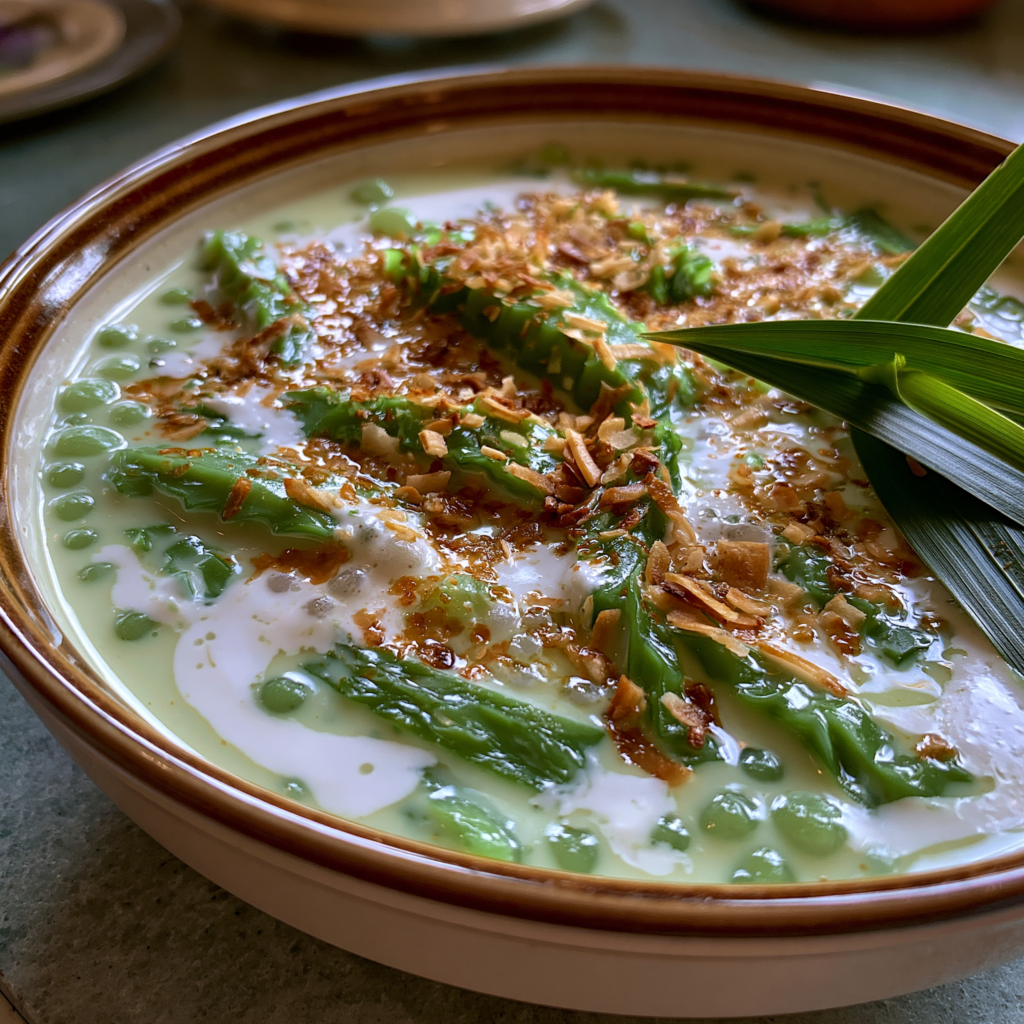
There are desserts that satisfy a sweet tooth, and then there are desserts that create a memory. Vietnamese Coconut Pandan Sweet Soup belongs firmly in the second category. With its fragrant pandan aroma, silky coconut richness, and delicate sweetness, this traditional-inspired dessert transforms a handful of simple ingredients into something remarkably comforting.
The first thing you’ll notice is the scent. Pandan, often called the “vanilla of Southeast Asia,” fills the kitchen with a sweet, grassy fragrance that feels both exotic and familiar. Combined with creamy coconut milk, it creates a flavor profile that’s soothing, refreshing, and surprisingly elegant.
This recipe takes inspiration from Vietnamese chè desserts, beloved sweet soups enjoyed throughout Vietnam. While many versions include beans, fruits, or jellies, this variation highlights the magical pairing of pandan and coconut. The result is a velvety bowl of dessert that’s equally enjoyable warm on a rainy evening or chilled on a hot summer day.
Whether you’re exploring Vietnamese desserts for the first time or looking for a new way to enjoy pandan, this recipe delivers beautiful flavor with minimal effort.
Why You’ll Love This Recipe
- Naturally fragrant and uniquely delicious
- Easy to make with beginner-friendly steps
- Uses simple pantry ingredients
- Can be served warm or chilled
- Beautiful pale-green color from pandan
- Rich coconut flavor without being heavy
- Perfect for family gatherings and celebrations
- Easily customizable with toppings and add-ins
- Gluten-free when prepared as written
- Inspired by traditional Vietnamese dessert culture
Ingredients
For the Sweet Soup
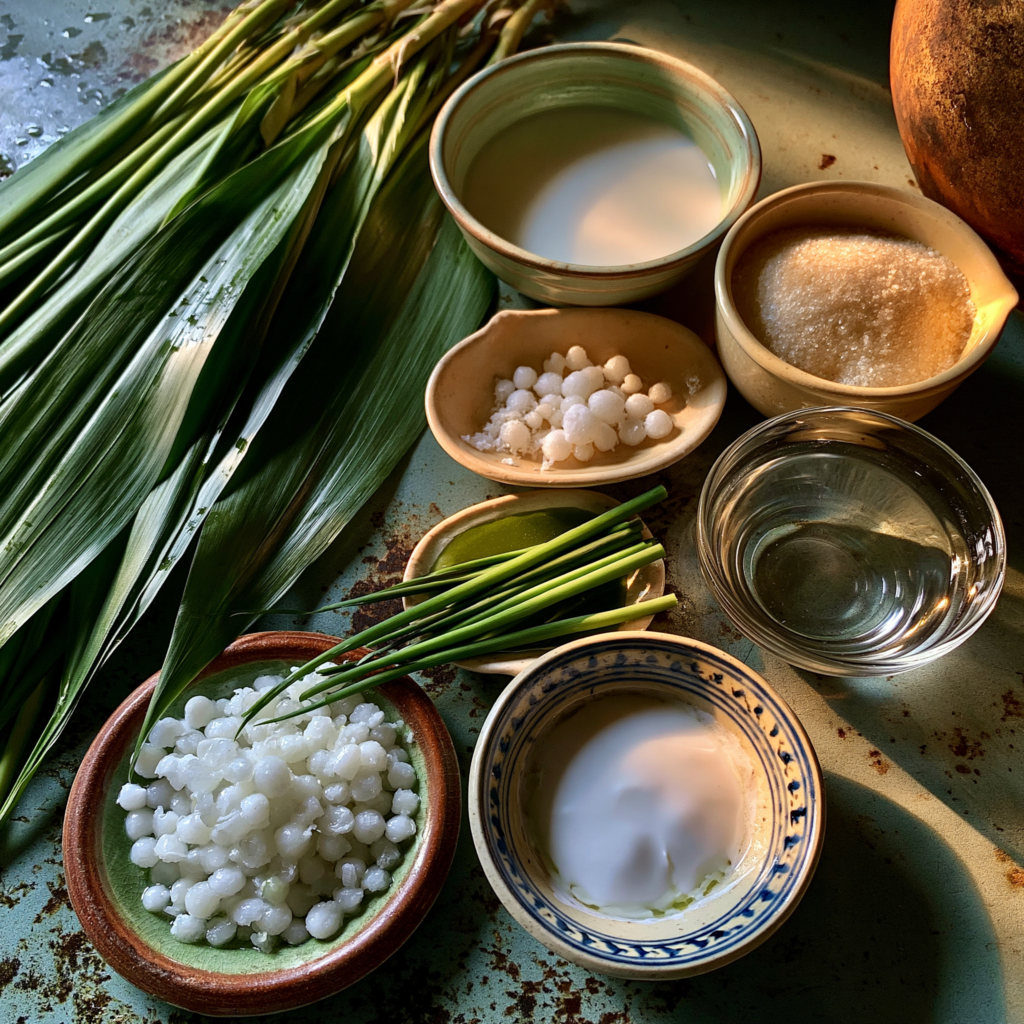
- 4 cups water
- 1 cup small tapioca pearls
- 1 can (13.5 ounces) full-fat coconut milk
- ½ cup coconut cream
- ⅔ cup granulated sugar
- 2 tablespoons pandan extract
- 1 teaspoon vanilla extract
- ¼ teaspoon salt
Optional Toppings
- ¼ cup toasted coconut flakes
- 2 tablespoons sesame seeds
- Fresh pandan leaves for garnish
- Additional coconut cream for drizzling
- Crushed roasted peanuts
Helpful Notes
- Full-fat coconut milk provides the richest texture.
- Pandan extract gives both flavor and color.
- Small tapioca pearls cook faster and create a silky consistency.
- Coconut cream adds luxurious richness but can be reduced for a lighter dessert.
Instructions
Step 1: Prepare the Tapioca Pearls
Bring 4 cups of water to a gentle boil in a medium saucepan.
Slowly add the tapioca pearls while stirring continuously to prevent sticking. Continue stirring for about 2 minutes.
Reduce heat to medium and cook according to package instructions, usually 10 to 15 minutes.
Step 2: Rest the Pearls
Once the pearls become mostly translucent, turn off the heat.
Cover the saucepan and allow the pearls to rest for 10 minutes. This helps them finish cooking and become pleasantly chewy.
Drain and rinse briefly under warm water.
Step 3: Create the Coconut Base
In a separate saucepan, combine:
- Coconut milk
- Coconut cream
- Sugar
- Salt
Heat over medium-low heat.
Stir frequently until the sugar completely dissolves.
Avoid boiling vigorously, as this can affect the smooth texture.
Step 4: Add the Pandan Flavor
Whisk in the pandan extract and vanilla extract.
The mixture will develop a beautiful light-green color and release an irresistible fragrance.
Allow the mixture to gently simmer for 3 to 5 minutes.
Step 5: Combine Everything
Add the cooked tapioca pearls to the coconut mixture.
Stir thoroughly to distribute the pearls evenly throughout the sweet soup.
Cook for another 3 minutes over low heat.
Step 6: Adjust Consistency
If the soup appears too thick, add a small amount of warm water.
If it’s too thin, simmer gently for several additional minutes.
The final consistency should be creamy and spoonable.
Step 7: Serve
Serve warm for ultimate comfort or chill for several hours for a refreshing dessert.
Finish with toasted coconut flakes, sesame seeds, or a drizzle of coconut cream.
Pro Tips
Use Fresh Pandan When Available
Fresh pandan leaves provide a more complex aroma. Simmer several leaves in the coconut mixture before straining them out.
Don’t Overcook the Tapioca
Overcooked pearls can become mushy and lose their signature texture. Remove them as soon as they turn translucent.
Let the Dessert Rest
Allowing the sweet soup to sit for 15 minutes before serving helps the flavors meld beautifully.
Balance Sweetness Carefully
Coconut milk naturally contributes sweetness. Start with slightly less sugar and adjust to taste.
Chill Overnight
The pandan aroma becomes even more pronounced after refrigeration.
Variations
1. Mango Coconut Pandan Sweet Soup
Add diced ripe mango just before serving.
The tropical fruit complements the coconut and pandan flavors beautifully.
2. Red Bean Pandan Dessert Soup
Fold in cooked sweetened red beans for a heartier Vietnamese-inspired version.
3. Jelly Pandan Chè
Add homemade pandan jelly strips for additional texture and visual appeal.
4. Coconut Banana Version
Stir in sliced ripe bananas during the final minutes of cooking.
5. Black Sesame Twist
Sprinkle toasted black sesame seeds over each serving for nutty depth.
Serving Suggestions
Vietnamese Coconut Pandan Sweet Soup is surprisingly versatile.
Elegant Dessert Presentation
Serve in clear glass dessert bowls to showcase the pale-green color and tapioca pearls.
Family-Style Serving
Present a large bowl at the center of the table with topping options on the side.
Summer Refreshment
Serve thoroughly chilled with crushed ice.
Dessert Pairing
Pair with:
- Butter cookies
- Coconut biscuits
- Sesame crackers
- Tropical fruit platters
Special Occasion Serving
Add fresh mango slices, toasted coconut, and coconut cream swirls for an elevated presentation.
Storage & Reheating
Refrigeration
Store in an airtight container for up to 4 days.
The soup may thicken as it sits due to the tapioca pearls.
Freezing
Freezing is not recommended.
Tapioca pearls tend to lose their desirable texture after thawing.
Reheating
Place the desired portion in a saucepan.
Add a splash of water or coconut milk.
Heat gently over low heat while stirring.
Serving After Refrigeration
Many people actually prefer this dessert cold, straight from the refrigerator.
Common Mistakes to Avoid
Using Low-Fat Coconut Milk
Low-fat versions produce a thinner and less satisfying dessert.
Boiling the Coconut Mixture Aggressively
A gentle simmer preserves smooth texture and flavor.
Skipping the Pearl Resting Period
Resting helps the tapioca finish cooking properly.
Adding Too Much Pandan Extract
Pandan should be fragrant but not overpowering.
Forgetting the Salt
A small amount of salt balances sweetness and enhances coconut flavor.
Serving Immediately After Cooking
Allowing the dessert to rest improves both texture and flavor.
Cultural Context and Fun Facts
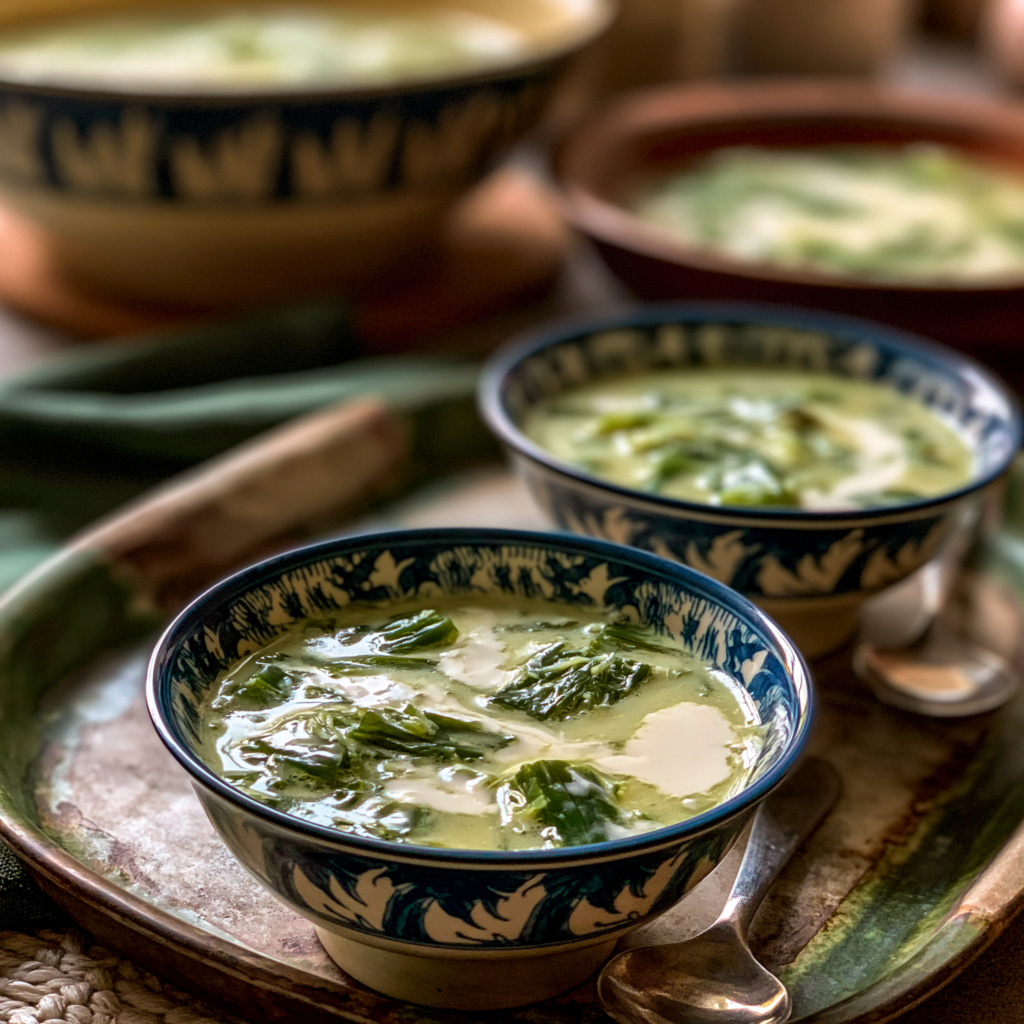
Vietnamese sweet soups, known as chè, represent one of the country’s most beloved dessert traditions. Unlike Western desserts that often focus on cakes and pastries, chè encompasses a wide range of sweet soups, puddings, and beverages enjoyed throughout the day.
Pandan is one of Southeast Asia’s most treasured ingredients. Often compared to vanilla because of its versatility, it is used in desserts, drinks, cakes, rice dishes, and even savory recipes.
Coconut and pandan have become a classic pairing across Vietnam, Thailand, Malaysia, Singapore, and Indonesia. Together, they create a flavor combination recognized throughout the region.
The vibrant green color associated with pandan desserts traditionally came from the leaves themselves rather than artificial coloring, giving desserts a naturally appealing appearance.
Today, pandan desserts continue to gain popularity worldwide as more home cooks discover their unique fragrance and tropical flavor.
FAQs
What does pandan taste like?
Pandan has a sweet, floral aroma with hints of vanilla, coconut, and freshly cut grass.
Can I make this dessert ahead of time?
Yes. In fact, many people prefer it after several hours of chilling because the flavors become more developed.
Is this dessert served hot or cold?
Both options are traditional. Warm versions feel comforting, while chilled versions are wonderfully refreshing.
Can I use fresh pandan leaves instead of extract?
Absolutely. Fresh pandan leaves provide a more authentic flavor and aroma.
Why are my tapioca pearls still white in the center?
They likely need additional cooking or resting time. Continue simmering gently until mostly translucent.
Can I reduce the sugar?
Yes. Adjust sweetness according to personal preference without affecting the overall success of the recipe.
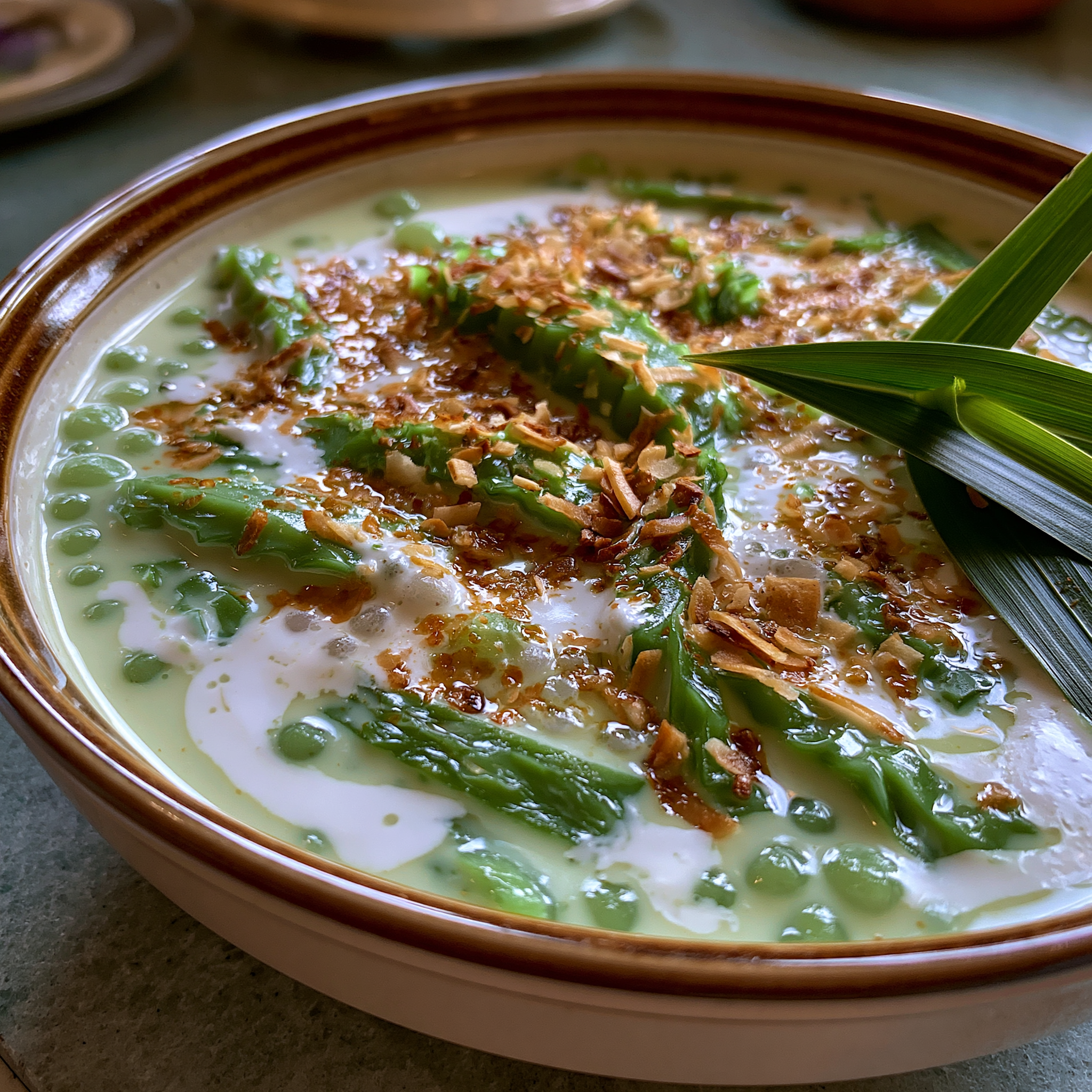
Vietnamese Coconut Pandan Sweet Soup
A creamy and fragrant Vietnamese-inspired dessert featuring coconut milk, pandan flavor, and chewy tapioca pearls.
Ingredients
Equipment
Method
- Bring water to a boil and cook tapioca pearls until mostly translucent.
- Cover and rest the pearls for 10 minutes, then drain.
- Heat coconut milk, coconut cream, sugar, and salt until sugar dissolves.
- Whisk in pandan extract and vanilla extract.
- Add cooked tapioca pearls and simmer gently for 3 minutes.
- Adjust consistency and serve warm or chilled with toppings.
Notes
For deeper flavor, steep fresh pandan leaves in the coconut mixture before serving.