The Best Fluffy Pancakes recipe you will fall in love with. Full of tips and tricks to help you make the best pancakes.
Introduction
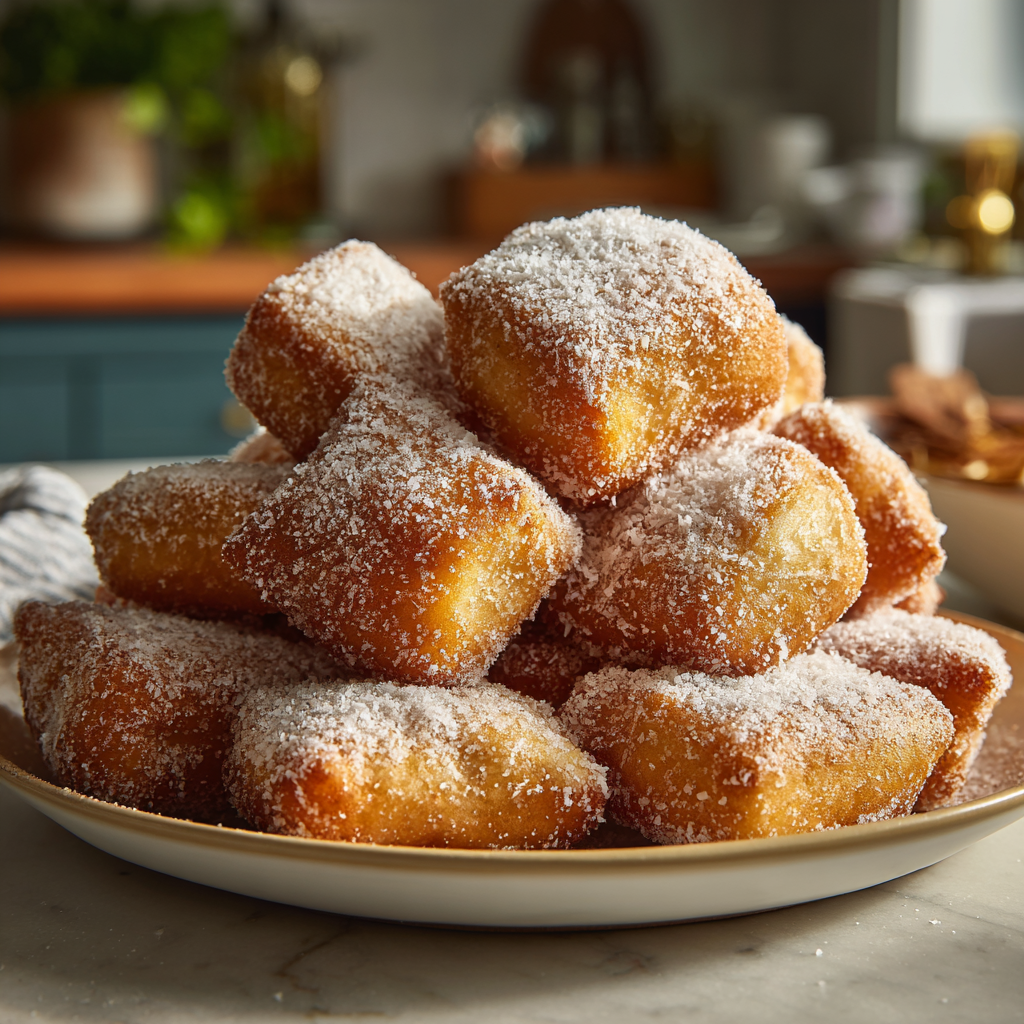
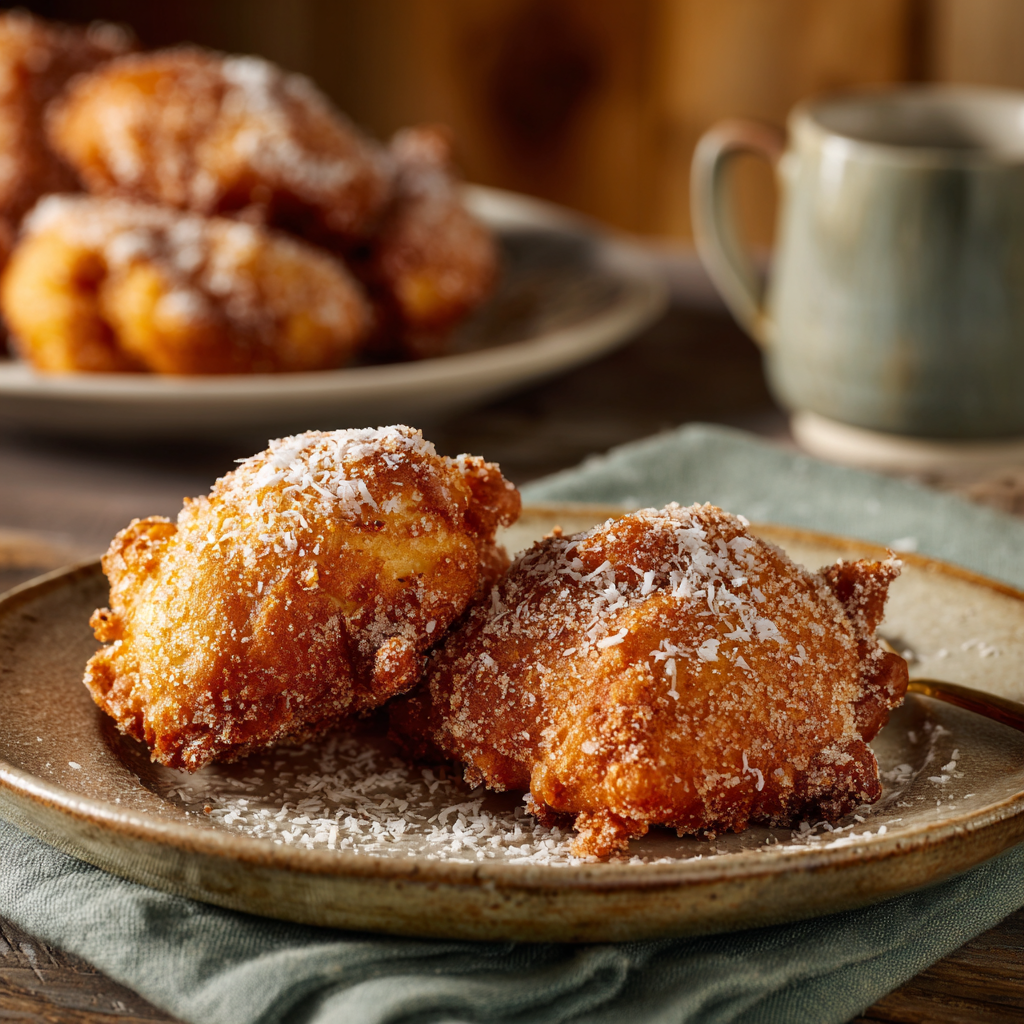
There is something magical about biting into a freshly made beignet. The delicate crunch of the exterior gives way to a soft, airy center that practically melts on your tongue. While traditional beignets are often coated with powdered sugar, these Coconut Sugar Beignet Clouds offer a delicious twist that brings warm caramel notes and a subtle tropical character to every bite.
The inspiration behind this recipe came from a desire to create a dessert that feels nostalgic yet slightly elevated. Coconut sugar transforms ordinary beignets into something special, adding depth without overwhelming the light texture that makes beignets so beloved.
Perfect for weekend brunches, holiday breakfasts, afternoon coffee breaks, or cozy family gatherings, these fluffy golden pillows deliver bakery-quality results right from your own kitchen. Best of all, they use simple pantry ingredients and can be made by beginner bakers with confidence.
If you’ve been searching for a homemade beignet recipe that’s unique, crowd-pleasing, and irresistibly delicious, these Coconut Sugar Beignet Clouds deserve a place in your recipe collection.
Why You’ll Love This Recipe
- Light, fluffy texture with a beautifully airy interior
- Rich caramel-like sweetness from coconut sugar
- Easy-to-find ingredients
- Perfect for breakfast, brunch, or dessert
- Freezer-friendly for make-ahead convenience
- A unique twist on classic New Orleans-style beignets
- Family-friendly and fun to make
- Delicious with coffee, tea, or hot chocolate
- Golden and crispy on the outside while remaining soft inside
- Impressive enough for special occasions but simple enough for weekends
Ingredients
For the Beignet Dough
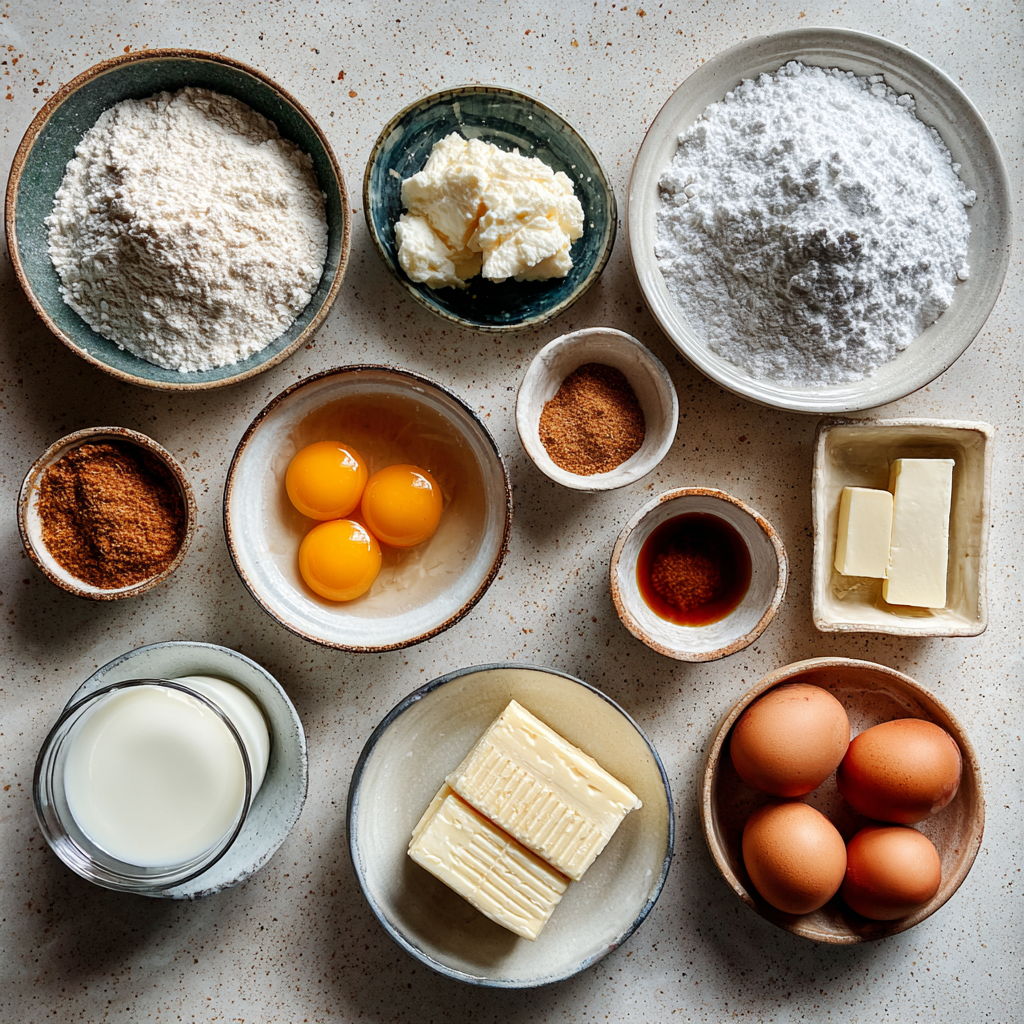
- 3 ½ cups all-purpose flour
- 2 ¼ teaspoons active dry yeast
- ¾ cup warm milk
- ¼ cup coconut sugar
- 2 large eggs, room temperature
- ¼ cup unsalted butter, melted
- 1 teaspoon vanilla extract
- ½ teaspoon salt
For Frying
- Vegetable oil, for deep frying
For the Coconut Sugar Coating
- 1 cup finely ground coconut sugar
- 2 tablespoons granulated sugar
- 1 teaspoon cinnamon (optional)
Helpful Ingredient Notes
Coconut sugar has a coarser texture than powdered sugar, so blending it briefly creates a finer coating that clings beautifully to the warm beignets.
Room-temperature eggs help create a smoother dough and better rise.
Fresh yeast produces the fluffiest results, so check expiration dates before beginning.
Instructions
Step 1: Activate the Yeast
- In a large mixing bowl, combine warm milk and coconut sugar.
- Sprinkle the yeast over the surface.
- Allow it to sit for 5 to 10 minutes until foamy.
Step 2: Build the Dough
- Add eggs, melted butter, vanilla extract, and salt.
- Mix until combined.
- Gradually add flour while stirring.
Step 3: Knead
- Transfer the dough to a lightly floured surface.
- Knead for about 8 minutes until smooth and elastic.
- The dough should feel soft but not sticky.
Step 4: First Rise
- Place the dough in a lightly greased bowl.
- Cover with a clean towel.
- Allow it to rise in a warm location for about 90 minutes or until doubled in size.
Step 5: Roll and Cut
- Punch down the risen dough.
- Roll it into a rectangle approximately ¼-inch thick.
- Cut into 2-inch squares using a sharp knife or pizza cutter.
Step 6: Second Rise
- Arrange dough squares on a parchment-lined baking sheet.
- Cover loosely.
- Let them rise for 20 to 30 minutes.
Step 7: Heat the Oil
- Fill a heavy pot with 2 to 3 inches of vegetable oil.
- Heat to 350°F (175°C).
Step 8: Fry the Beignets
- Carefully add several dough squares to the hot oil.
- Fry for 1 to 2 minutes per side until golden brown.
- Avoid overcrowding the pot.
Step 9: Drain
- Transfer fried beignets to a wire rack lined with paper towels.
Step 10: Coat
- Mix coconut sugar, granulated sugar, and cinnamon.
- While the beignets are still warm, toss them gently in the mixture.
- Serve immediately for the best texture.
Pro Tips
Use a Thermometer
Maintaining oil temperature is crucial. Oil that is too cool causes greasy beignets, while oil that is too hot browns the exterior before the center cooks.
Don’t Rush the Rise
Proper fermentation creates the signature airy interior. Allow the dough enough time to double fully.
Coat While Warm
The coconut sugar mixture adheres much better when the beignets are freshly fried.
Blend the Coconut Sugar
A quick pulse in a blender creates a finer texture that mimics traditional powdered coatings.
Fry in Small Batches
Overcrowding lowers oil temperature and leads to uneven cooking.
Variations
Chocolate Coconut Sugar Beignets
Add mini chocolate chips to the dough before the first rise for rich pockets of melted chocolate.
Tropical Pineapple Beignets
Serve with a warm pineapple compote and toasted coconut flakes.
Espresso Coconut Beignets
Add one teaspoon of instant espresso powder to the dough for a subtle coffee flavor that pairs beautifully with coconut sugar.
Orange Vanilla Beignets
Incorporate fresh orange zest into the dough for a bright citrus twist.
Maple Coconut Beignets
Drizzle warm maple glaze over freshly coated beignets for extra indulgence.
Serving Suggestions
These Coconut Sugar Beignet Clouds are incredibly versatile.
Serve them alongside:
- Fresh fruit salad
- Hot coffee
- Vanilla latte
- Chai tea
- Hot chocolate
- Homemade whipped cream
- Coconut cream dip
- Salted caramel sauce
For brunch gatherings, stack the beignets on a large platter and garnish with toasted coconut flakes. The presentation feels elegant while remaining approachable and family-friendly.
For dessert, pair them with vanilla bean ice cream and a drizzle of warm caramel sauce.
Storage & Reheating
Storage
Store cooled beignets in an airtight container at room temperature for up to 2 days.
Refrigeration
Although refrigeration is possible, it can slightly alter the texture and make the beignets less fluffy.
Freezing
Freeze uncoated beignets in a freezer-safe container for up to 2 months.
Reheating
Place in a 300°F oven for 5 to 7 minutes until warmed through.
Avoid microwaving for extended periods, as it can make them chewy.
If frozen, thaw overnight and reheat in the oven before coating with fresh coconut sugar.
Common Mistakes to Avoid
Using Cold Ingredients
Cold milk and eggs slow yeast activity and reduce rise quality.
Over-Flouring the Dough
Adding excessive flour creates dense beignets instead of light, airy clouds.
Skipping the Second Rise
The second proof contributes significantly to the final texture.
Frying at the Wrong Temperature
Consistent heat ensures even cooking and prevents greasy results.
Coating After Cooling
The sugar mixture sticks best while the beignets are warm.
Overcrowding the Fryer
Too many pieces at once lower oil temperature and affect texture.
Cultural Context or Fun Facts
Beignets originated in France and traveled across the Atlantic with French settlers. They became especially famous in Louisiana, where they evolved into one of the region’s most iconic treats.
Traditional New Orleans beignets are often served under a thick blanket of powdered sugar. This coconut sugar variation introduces a modern flavor profile while honoring the beloved airy texture that defines authentic beignets.
Coconut sugar itself is made from the sap of coconut palm flowers rather than coconuts. It has been used for centuries throughout Southeast Asia and is prized for its rich caramel-like flavor.
The name “beignet” translates roughly to “fritter” in French, though modern beignets have developed their own unique identity around the world.
FAQs
Can I make the dough ahead of time?
Yes. After kneading, refrigerate the dough overnight. Allow it to come to room temperature before rolling and cutting.
Can I bake these instead of frying?
You can, but the texture will differ significantly. Frying creates the classic crisp exterior and airy interior.
Why are my beignets dense?
Dense beignets usually result from insufficient rising time or adding too much flour.
Is coconut sugar sweeter than regular sugar?
Coconut sugar is slightly less sweet than white sugar and offers subtle caramel notes.
Can I use instant yeast?
Absolutely. Instant yeast works well and can be mixed directly into the dry ingredients.
How do I know the oil is ready?
A thermometer reading of 350°F (175°C) provides the most accurate results.
Coconut Sugar Beignet Clouds
Fluffy golden beignets coated in warm caramel-like coconut sugar for a unique and irresistible homemade treat.
Ingredients
Equipment
Method
- Activate yeast in warm milk and coconut sugar.
- Mix in remaining dough ingredients and knead until smooth.
- Allow dough to rise until doubled.
- Roll, cut into squares, and let rise again.
- Fry until golden brown.
- Coat with coconut sugar mixture and serve warm.
Notes
For the fluffiest texture, allow both rises to complete fully and maintain oil temperature throughout frying.