The Best Fluffy Pancakes recipe you will fall in love with. Full of tips and tricks to help you make the best pancakes.
Introduction
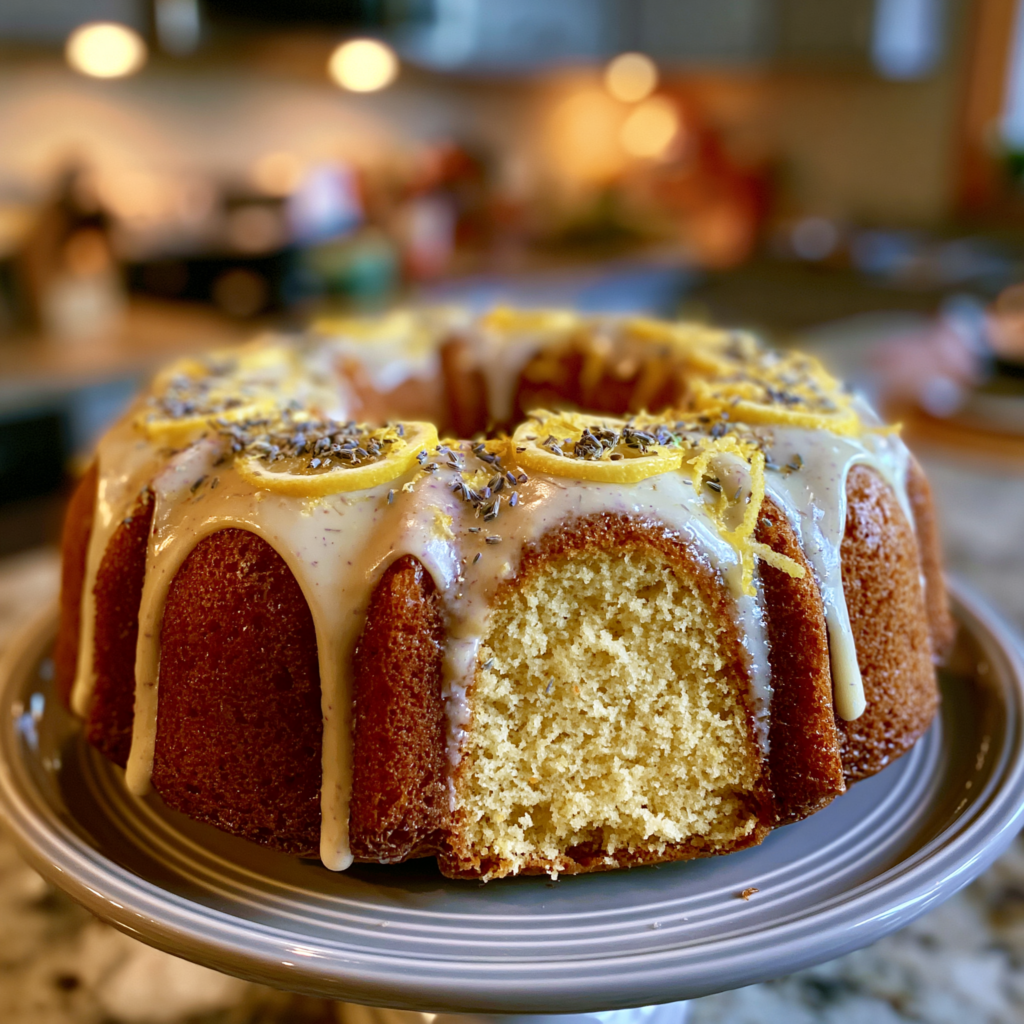
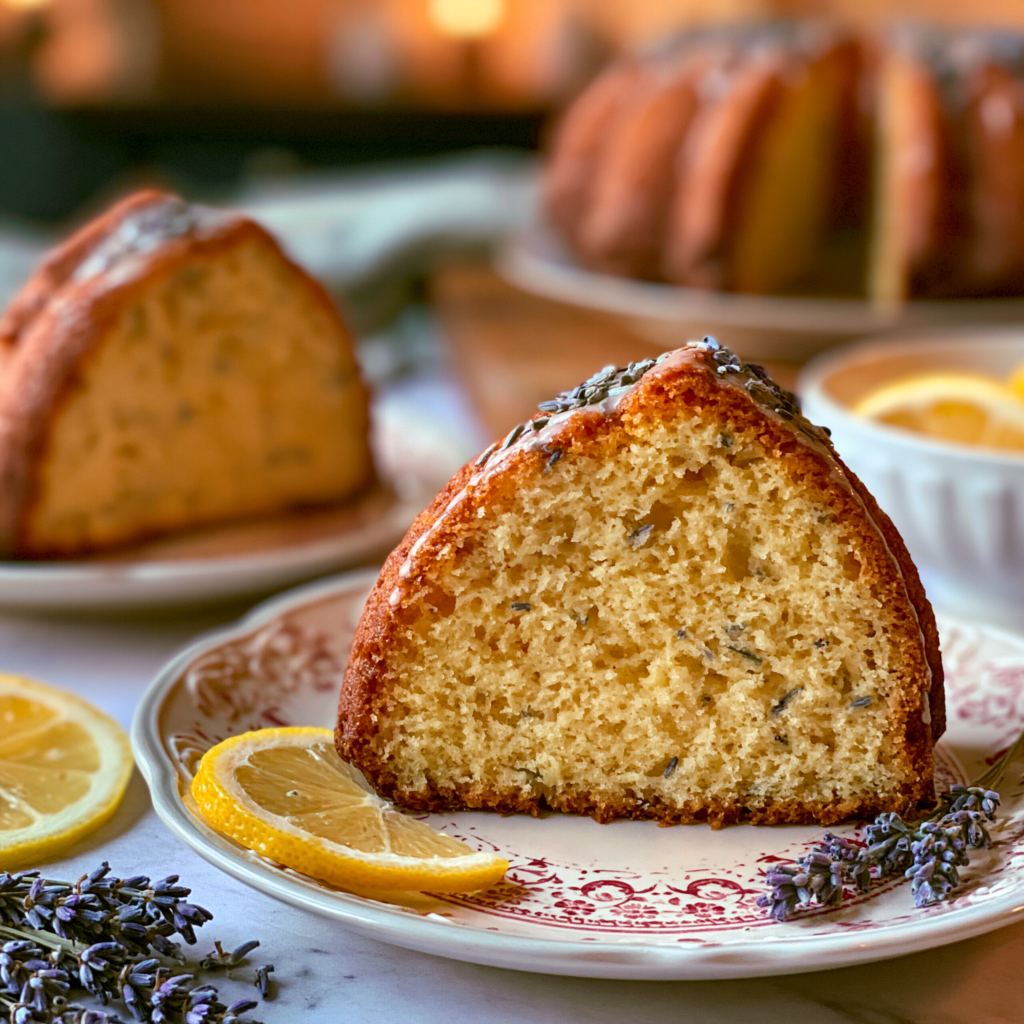
Some cakes are comforting, some are elegant, and a rare few manage to be both at the same time. This Honey Lavender Lemon Cake Charm belongs firmly in that last category. Imagine the fresh citrus aroma of ripe lemons filling your kitchen, balanced by delicate floral notes from culinary lavender and the natural sweetness of golden honey. Every bite delivers a soft, tender crumb that feels light yet satisfying.
This cake captures the essence of spring and summer gatherings while remaining simple enough for a weekend baking project. The honey adds depth and warmth, the lemon brings brightness, and the lavender introduces a subtle sophistication that transforms an ordinary cake into something memorable.
Whether you’re hosting a brunch, celebrating a special occasion, or simply looking for a beautiful homemade dessert, this honey lavender lemon cake offers a unique flavor combination that feels both timeless and modern.
Why You’ll Love This Recipe
- Perfect balance of sweet, floral, and citrus flavors
- Moist and tender crumb thanks to honey and butter
- Beautiful centerpiece for brunches and celebrations
- Easy enough for beginner bakers
- Naturally fragrant without artificial flavorings
- Pairs wonderfully with tea or coffee
- Stunning presentation with minimal decorating effort
- Keeps moist for several days
- Ideal for spring and summer entertaining
- A unique dessert that stands out from traditional cakes
Ingredients
For the Cake
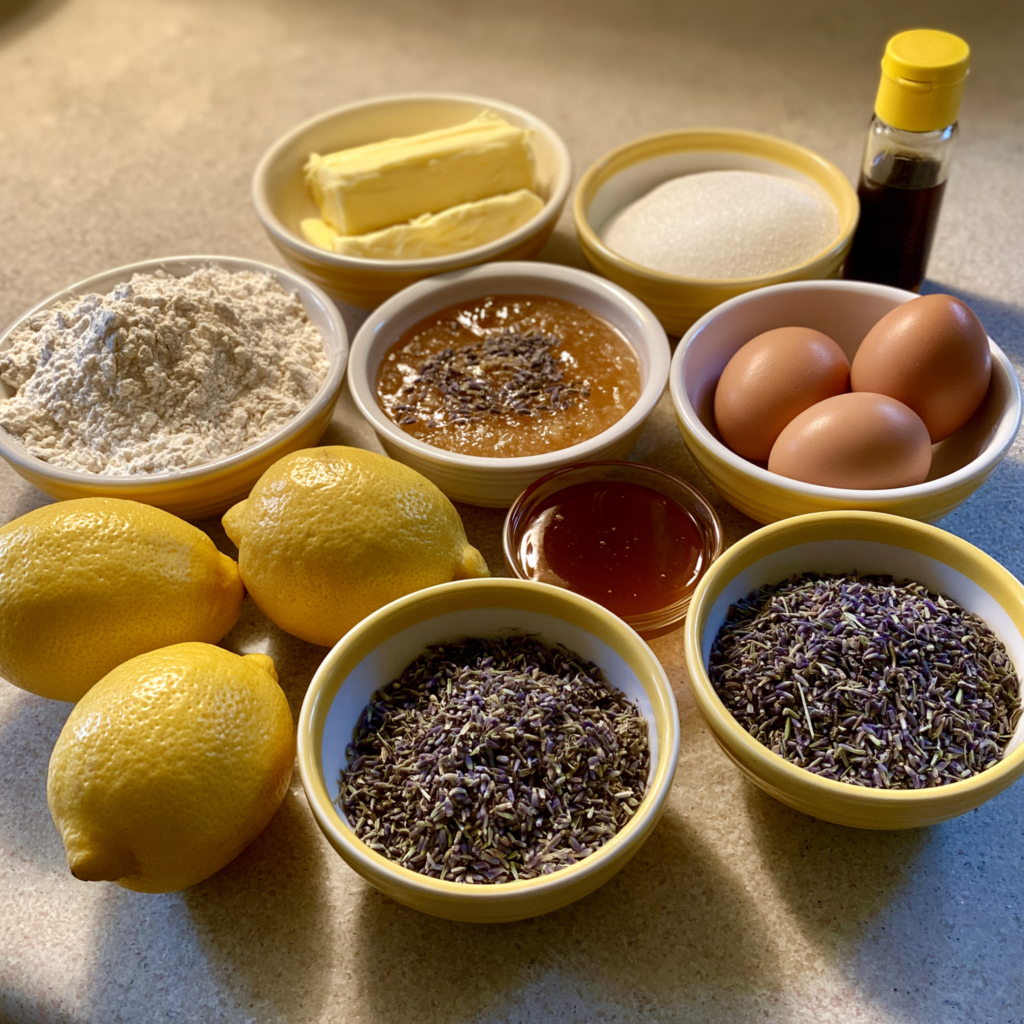
- 2½ cups all-purpose flour
- 2 teaspoons baking powder
- ½ teaspoon baking soda
- ½ teaspoon fine sea salt
- 1 tablespoon culinary dried lavender, finely crushed
- 1 cup unsalted butter, softened
- ¾ cup granulated sugar
- ½ cup honey
- 4 large eggs, room temperature
- 1 tablespoon vanilla extract
- Zest of 2 large lemons
- ⅓ cup freshly squeezed lemon juice
- ¾ cup buttermilk, room temperature
For the Honey Lemon Glaze
- 1½ cups powdered sugar
- 3 tablespoons fresh lemon juice
- 2 tablespoons honey
- 1 teaspoon lemon zest
Optional Garnish
- Fresh lemon zest
- Culinary lavender buds
- Thin lemon slices
- Edible flowers
Instructions
1. Prepare the Pan
Preheat your oven to 350°F (175°C). Grease a 9-inch round cake pan and line the bottom with parchment paper.
2. Mix the Dry Ingredients
In a medium bowl, whisk together the flour, baking powder, baking soda, salt, and crushed lavender. Set aside.
3. Cream Butter and Sugar
In a large mixing bowl, beat the softened butter and sugar until pale and fluffy, about 3 to 4 minutes. This step creates air pockets that help produce a tender cake.
4. Add Honey and Eggs
Mix in the honey until fully incorporated. Add the eggs one at a time, beating well after each addition. Stir in the vanilla extract.
5. Incorporate Lemon
Add the lemon zest and fresh lemon juice. The mixture may look slightly curdled, which is completely normal.
6. Alternate Dry Ingredients and Buttermilk
Add one-third of the dry ingredients to the batter and mix gently. Pour in half the buttermilk. Repeat until all ingredients are incorporated, ending with the dry mixture.
7. Fill the Pan
Transfer the batter into the prepared cake pan and smooth the top with a spatula.
8. Bake
Bake for 35 to 40 minutes, or until a toothpick inserted in the center comes out clean.
9. Cool Completely
Allow the cake to cool in the pan for 15 minutes before transferring it to a wire rack.
10. Make the Glaze
Whisk together powdered sugar, lemon juice, honey, and lemon zest until smooth.
11. Glaze and Decorate
Pour the glaze over the cooled cake, allowing it to drip naturally down the sides. Finish with lemon zest and a light sprinkle of culinary lavender.
12. Serve
Allow the glaze to set for 15 minutes before slicing and serving.
Pro Tips
Use Culinary Lavender Only
Not all lavender is intended for consumption. Culinary-grade lavender provides the proper flavor and safety for baking.
Crush the Lavender
Lightly crushing the buds releases aromatic oils, creating a smoother flavor throughout the cake.
Don’t Overmix
Once the flour is added, mix only until combined. Overmixing develops gluten and can make the cake dense.
Room Temperature Ingredients Matter
Butter, eggs, and buttermilk combine more smoothly and create a more even texture.
Let the Cake Cool Fully
Adding glaze to a warm cake will cause it to melt and become overly thin.
Fresh Lemon Makes a Difference
Fresh juice and zest provide brighter, cleaner flavor than bottled alternatives.
Variations
Lavender Honey Layer Cake
Double the recipe and create a two-layer cake filled with honey cream cheese frosting.
Lemon Lavender Bundt Cake
Bake the batter in a bundt pan for a more dramatic presentation.
Blueberry Lavender Lemon Cake
Fold one cup of fresh blueberries into the batter before baking for bursts of fruity sweetness.
Earl Grey Version
Replace some of the lavender with finely ground Earl Grey tea leaves for a floral tea-inspired dessert.
Gluten-Free Option
Use a high-quality one-to-one gluten-free flour blend for excellent results.
Serving Suggestions
This cake shines in many settings and pairs beautifully with various beverages and accompaniments.
Afternoon Tea
Serve thin slices alongside Earl Grey, chamomile, or lavender tea.
Spring Brunch
Pair with fresh berries, yogurt parfaits, and fruit salads.
Summer Gatherings
Serve chilled with whipped cream and seasonal berries.
Elegant Dessert Course
Add a dollop of lightly sweetened mascarpone cream and a small garnish of lemon zest.
Coffee Pairing
The floral notes complement medium-roast coffee exceptionally well.
Storage & Reheating
Room Temperature
Store the cake in an airtight container for up to 3 days.
Refrigeration
Refrigerate for up to 5 days. Bring slices to room temperature before serving for the best texture.
Freezing
Wrap individual slices tightly in plastic wrap and place them in a freezer-safe container. Freeze for up to 3 months.
Reheating
This cake is typically served at room temperature, but a 10-second microwave warm-up can soften refrigerated slices.
Common Mistakes to Avoid
Using Too Much Lavender
Lavender is powerful. Excess amounts can create a soapy or bitter flavor.
Skipping the Zest
Lemon zest contains concentrated citrus oils that contribute significantly to flavor.
Overbaking
Even a few extra minutes can dry out the cake. Check early and monitor closely.
Cold Ingredients
Cold ingredients can create an uneven batter and affect texture.
Pouring Glaze Too Early
A warm cake causes glaze to slide off rather than set beautifully.
Using Old Baking Powder
Fresh leavening agents are essential for a light and fluffy crumb.
Cultural Context or Fun Facts
Lavender has been used in cooking and baking for centuries throughout parts of Europe, particularly in France. It is a key component of the famous herb blend known as Herbes de Provence, though culinary uses extend far beyond savory dishes.
Honey has an even longer history, serving as one of humanity’s earliest sweeteners. Ancient civilizations valued honey not only for sweetness but also for its ability to preserve foods and enhance baked goods.
The pairing of lemon and lavender became increasingly popular in modern baking because both ingredients share aromatic compounds that complement one another naturally. Together, they create a flavor profile that feels fresh, elegant, and unmistakably seasonal.
FAQs
Can I use fresh lavender?
Yes, but use less than dried lavender since fresh lavender can have a stronger flavor concentration.
What does lavender taste like in cake?
Lavender adds a delicate floral note with hints reminiscent of rosemary and mint, creating a sophisticated flavor rather than a perfumed taste.
Can I make this cake ahead of time?
Absolutely. In fact, the flavors often deepen and improve after resting overnight.
Can I substitute the honey?
Maple syrup can be used, though it will change the flavor profile significantly.
Is this cake overly sweet?
No. The lemon balances the sweetness beautifully, creating a bright and refreshing dessert.
Can I make cupcakes instead?
Yes. Fill cupcake liners two-thirds full and bake for approximately 18 to 22 minutes.
Final Thoughts
Honey Lavender Lemon Cake Charm is the kind of dessert that turns ordinary moments into special occasions. Its tender crumb, vibrant citrus notes, floral aroma, and golden honey sweetness create a memorable experience with every slice. While visually elegant enough for celebrations, it’s approachable enough for casual baking days at home.
The combination of honey, lavender, and lemon delivers a balance of flavors that feels fresh, sophisticated, and comforting all at once. Whether you’re baking for guests or simply treating yourself, this cake brings sunshine to the table and proves that simple ingredients can create extraordinary results.

Honey Lavender Lemon Cake Charm
A moist and fragrant lemon cake infused with honey and culinary lavender, finished with a bright honey-lemon glaze.
Ingredients
Equipment
Method
- Preheat oven to 350°F and prepare a 9-inch cake pan.
- Mix dry ingredients and cream butter, sugar, and honey separately.
- Combine wet and dry ingredients, bake for 35-40 minutes, cool, glaze, and serve.
Notes
Use culinary-grade lavender only and avoid overmeasuring to maintain balanced flavor.